
MSG in Commercial Kitchens: Uses, Myths and Best Practice
Few pantry items carry as much baggage as monosodium glutamate — and few deliver as much value in a commercial kitchen. Used well, MSG is simply a seasoning that makes savoury food taste more like itself.
What it actually does
MSG is the sodium salt of glutamic acid, an amino acid found naturally in tomatoes, cheese, mushrooms and soy sauce. It delivers umami — the savoury depth that makes broths, fried rice and gravies feel complete. In high-volume kitchens it compensates for the depth that long, slow stock-making no longer has time for.
How professional kitchens use it
- Seasoning blends: a small, measured part of house spice mixes for fried items and snacks.
- Wok cooking: a pinch in fried rice and noodles for that restaurant-style savouriness.
- Gravies and broths: rounds out flavour in high-turnover preparations.
Best practice at scale
- Measure, don't shake. Consistency comes from fixed quantities per batch, not free-hand sprinkling.
- Use within a system. MSG complements salt and aromatics; it does not replace them.
- Label honestly. Declare ingredients on your menu items as required by regulation.
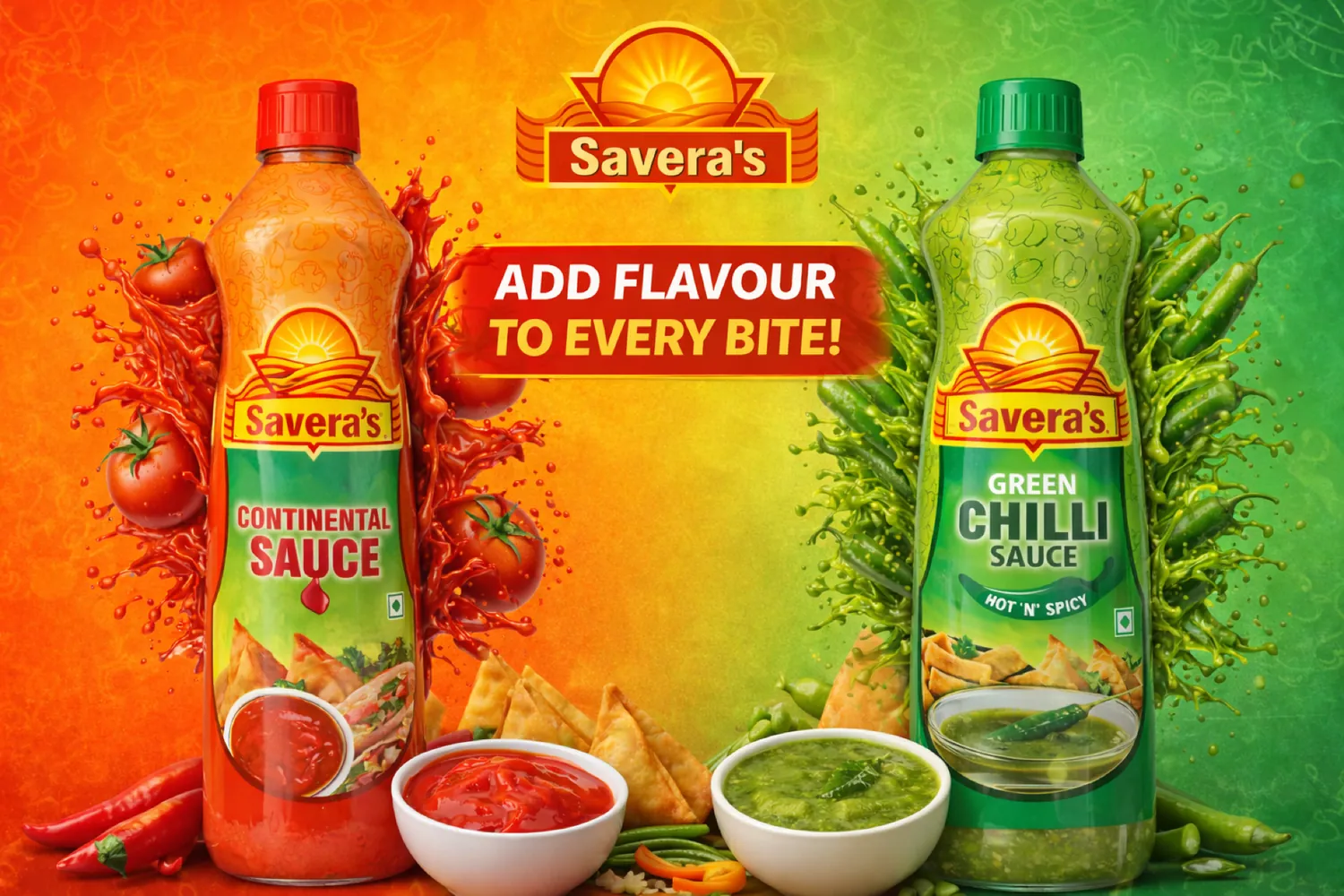
Royal Savera Foods supplies commercial-grade MSG seasoning for kitchens that need taste consistency at scale — part of an Asian staples range built for repeatable results. Enquire for pack formats and trade details.
Need bulk supply for your kitchen or store?Royal Savera Foods supplies sauces & pantry essentials to wholesale, distribution and HoReCa buyers across the region.
Request Catalogue