
MOQ Explained: What Wholesale Food Buyers Should Ask
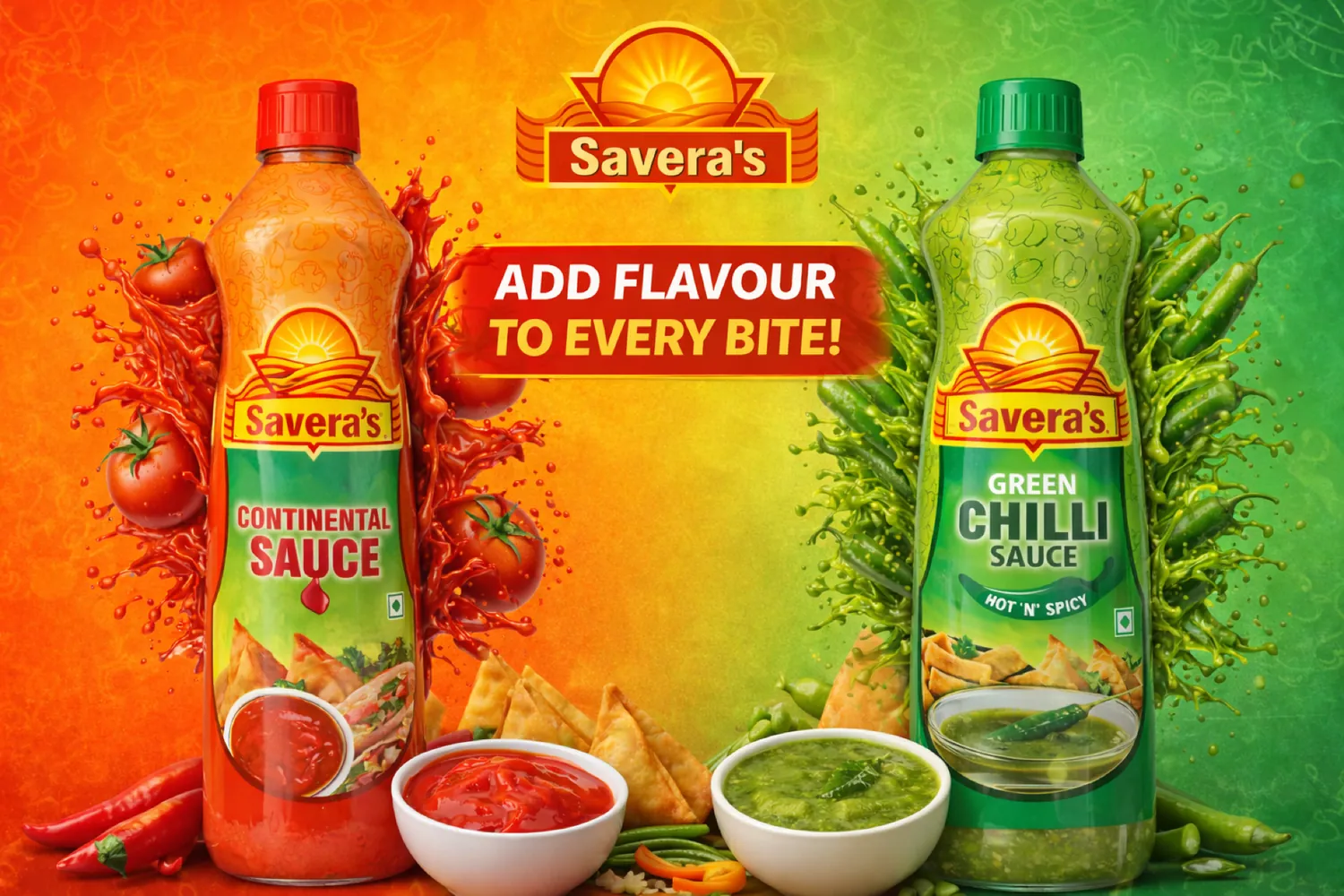
MOQ — minimum order quantity — is where most wholesale relationships either start well or quietly go wrong. Set too high, it locks your cash into slow stock. Set without clarity, it becomes a recurring negotiation. Here is how professional buyers handle it.
Why MOQ exists
Manufacturing runs in batches. MOQ protects both sides: it keeps unit economics workable for the manufacturer and ensures the buyer's pricing reflects a real production run — not a one-off favour that disappears when volumes change.
The three questions to ask
- MOQ per product or per order? A per-product MOQ lets you diversify; a per-order MOQ rewards consolidation.
- What happens at repeat orders? MOQ should be predictable — surprises here are a red flag.
- Can pack sizes flex within the MOQ? Sometimes a different pack format solves a cash-flow problem better than a discount would.
MOQ and your cash flow
- Start with your fastest-moving SKUs; expand the basket once velocity is proven.
- Match order size to consumption, not to available discounts.
- Track stock cover in weeks, not in cartons.
At Royal Savera Foods, MOQ, packaging and pricing are shared upfront with every catalogue enquiry — so buyers can plan instead of negotiate. Message us on WhatsApp to get the product list and trade details.
Need bulk supply for your kitchen or store?Royal Savera Foods supplies sauces & pantry essentials to wholesale, distribution and HoReCa buyers across the region.
Request Catalogue